
Dementia care
Cedar House was purpose-built in 2012 for older residents and residents with dementia. We care for people over 65 who are living with dementia or confusion.
- Who it is for
- People over 65 with dementia
- Built
- 2012, for dementia care
- CQC specialism
- Dementia
Who it is for
We admit people who are living with dementia or confusion, as long as they are over 65. Dementia is one of the specialisms Cedar House is registered for with the Care Quality Commission.
Dementia is a word for conditions that cause a gradual loss of memory, learning, understanding, communication and reasoning. The two most common types are Alzheimer’s disease and vascular dementia, which is caused by small strokes. Read our guide, What is dementia?, for more.
How the building helps
Cedar House was designed with dementia in mind.
- Wide, bright corridors. Residents can walk about freely and safely.
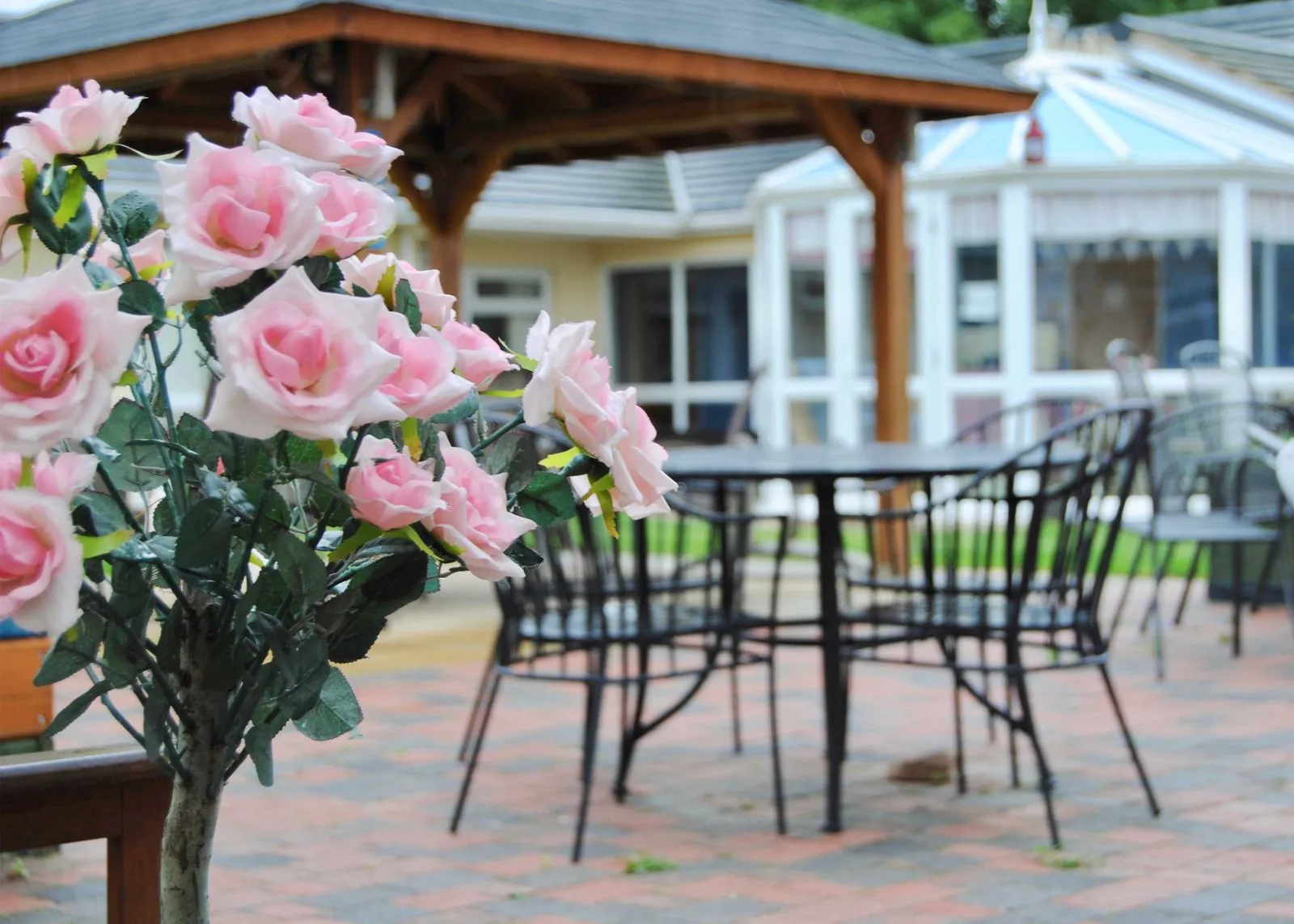
- Secure gardens. The garden is surrounded on three sides by the building, so residents can sit out in safety when the weather allows.
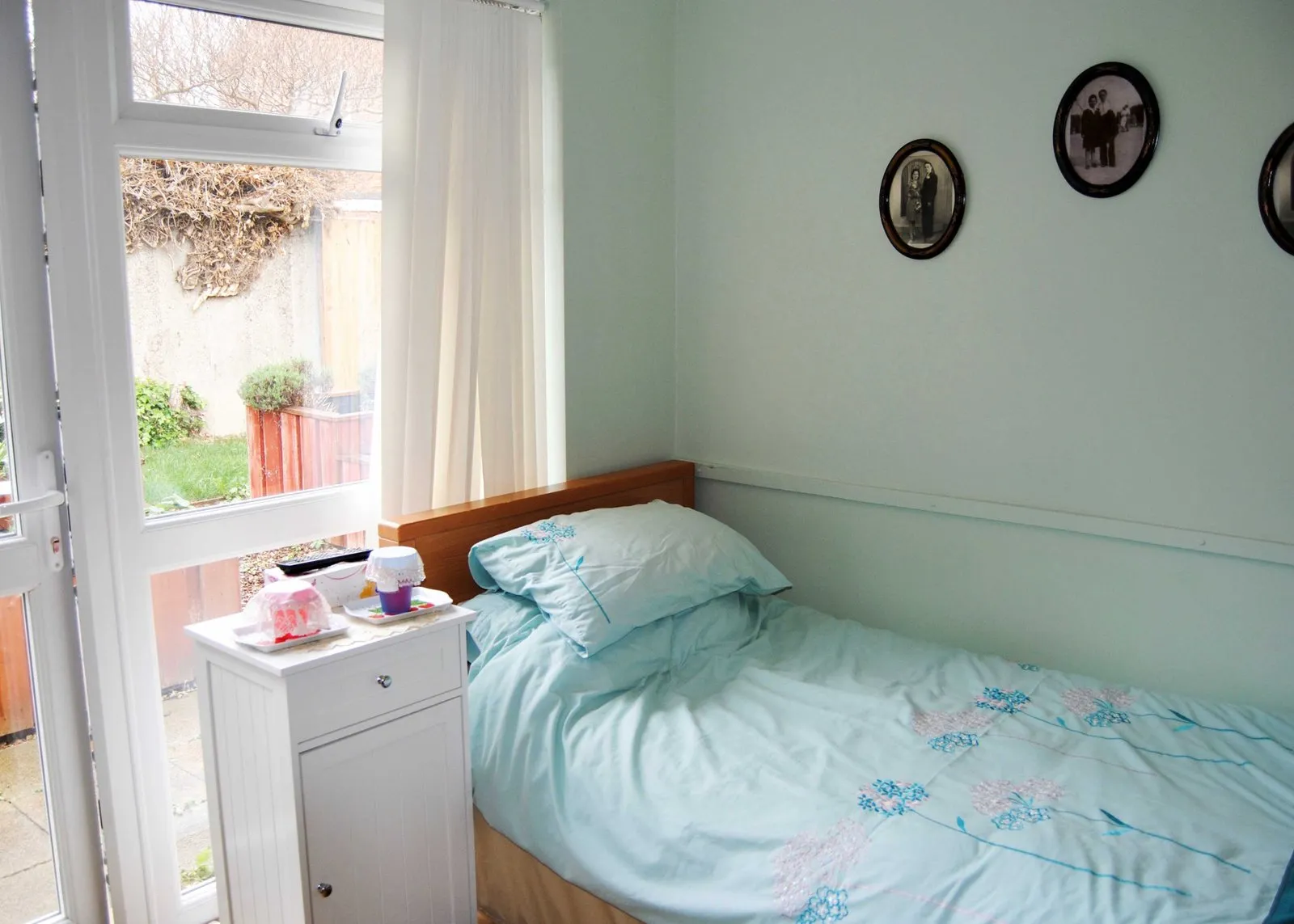
- Bedrooms that open onto the garden. Ground-floor rooms open onto the middle or back garden.
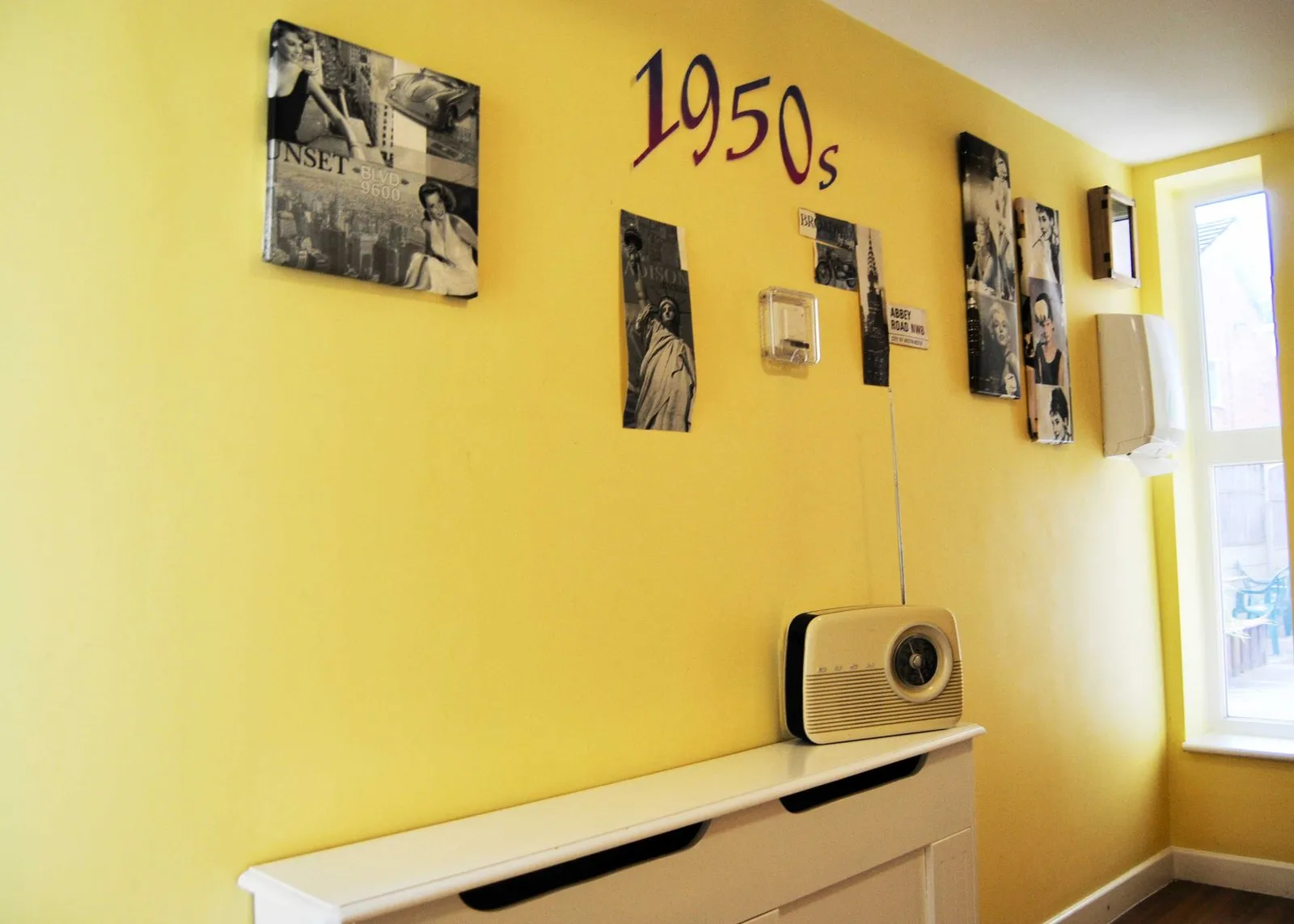
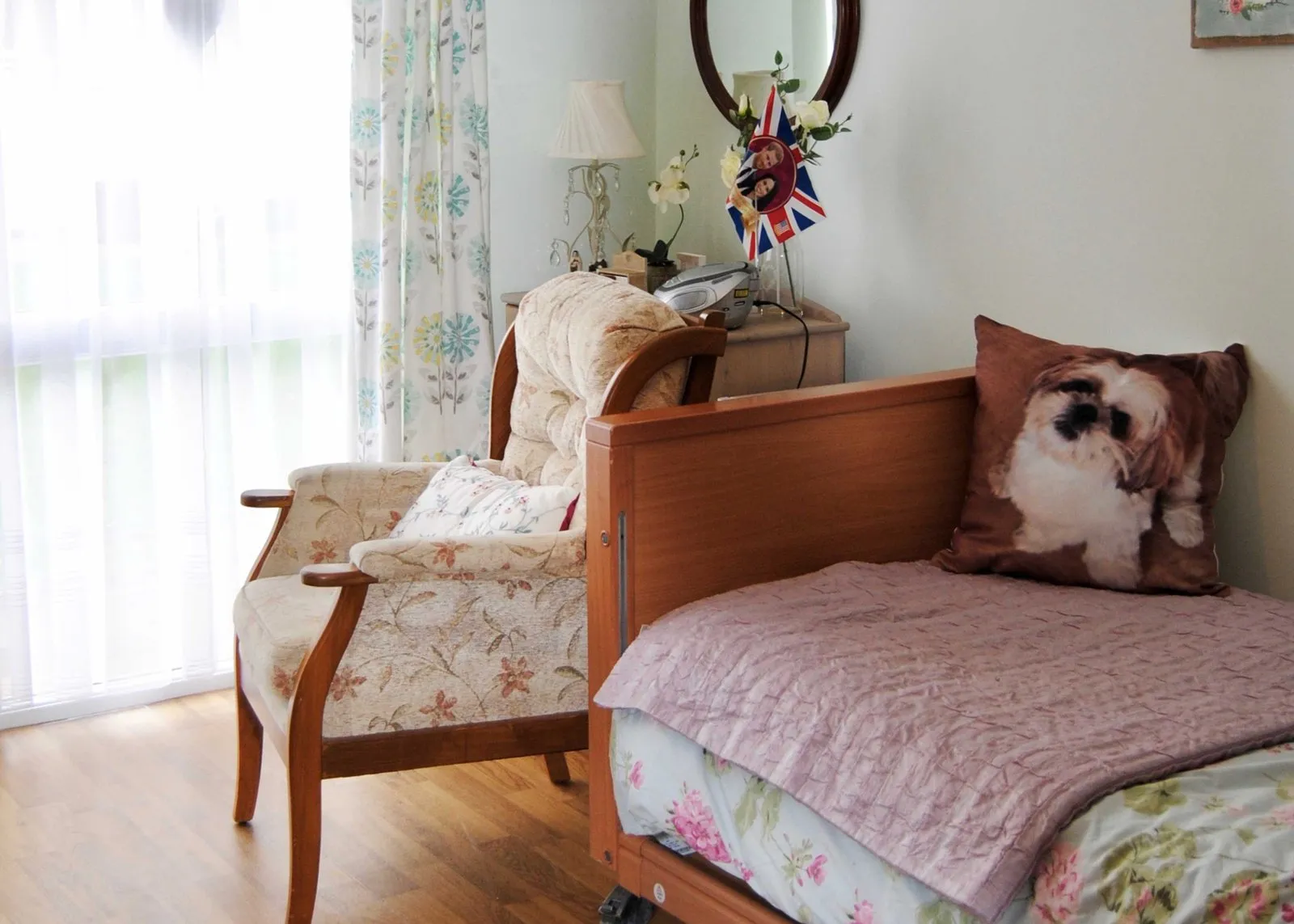
- Familiar things. Rooms can be furnished with the person’s own things, and the corridors have displays of things many residents will remember, such as the 1950s wall and retro posters.
How we care for people with dementia
The home’s own guide for carers puts it simply: dementia care is about the individual and how they understand what is happening to them. It is about relationships and care centred on the person.
The guide asks carers to:
- Talk people through personal care, such as washing and dressing, explaining what is happening and why
- Help residents do as much for themselves as they can, to keep their independence and dignity
- Go along with the “world” a person is in at that moment, rather than arguing or correcting them
- Gently move the conversation on, rather than dwelling on a problem
- Listen when someone cries out, and check they are not in pain
- Keep an eye on what people eat and drink, and look for physical reasons when someone refuses food, such as a sore mouth or an infection
- Watch for sudden changes, which can be caused by an infection, medication or depression rather than dementia, and ask the GP for advice
Families and visitors
Visitors are welcome at any time. Families often know the person best: their likes and dislikes, their history and what might be behind a particular worry. That helps staff care for them well.
A visit can sometimes leave a person unsettled. That does not mean visits are a bad idea. Our guide for families, visiting someone with dementia, has some ideas.
Health care
Residents can keep their own GP if the GP agrees, or choose a local one. Our staff are trained to care for older people with dementia and work closely with local GPs and other professionals.
More reading
- What is dementia?, the guide written for carers at Christian Care Homes
- Early signs of dementia and when to see a GP
- Talking with someone who has dementia
See inside first
Watch the virtual tour of Cedar House, then come and see it for yourself.
Our other care
- Residential careLong-term care for people over 65 in a home built for it.Includes
- Your own en-suite room
- Help with washing, dressing and personal care
- Meals, laundry and activities
- Respite staysA short stay, so a family carer can rest or recover.Good for
- Family carers who need a break
- A short stay in an en-suite room
- Getting to know the home
- Home careCare at home from Cedar House - The Annex.Supports
- Older people and younger adults
- People living with dementia
- Physical and sensory needs

How it works
What happens between your first phone call and moving-in day.
- Step 1
Call or send an enquiry
Ring 01375 768505 at any time of day, or use the form, and tell us who the care is for.
- Step 2
Come and look round
Visit the home, see the rooms, lounges and gardens and meet the staff. Bring your questions with you.
- Step 3
Talk through care and funding
We talk about the care needed and how it will be paid for. Some rooms are for residents funded by their local council.
- Step 4
Move in and settle
Agree a moving-in day and bring photos, furniture and keepsakes so the room feels like home from the start.
Come and see Cedar House
Tell us a little about who the care is for and we will call you back to arrange a visit. Or ring the home, day or night.
01375 768505Ask about a visit or a room
Fill in the form and someone from Cedar House will get back to you.