
Alzheimer’s disease and vascular dementia: the two most common types
How Alzheimer’s disease and vascular dementia differ, how they usually progress and why the type matters for care.
- Published
- Topic
- Living with dementia
- Reading time
- 2 minutes
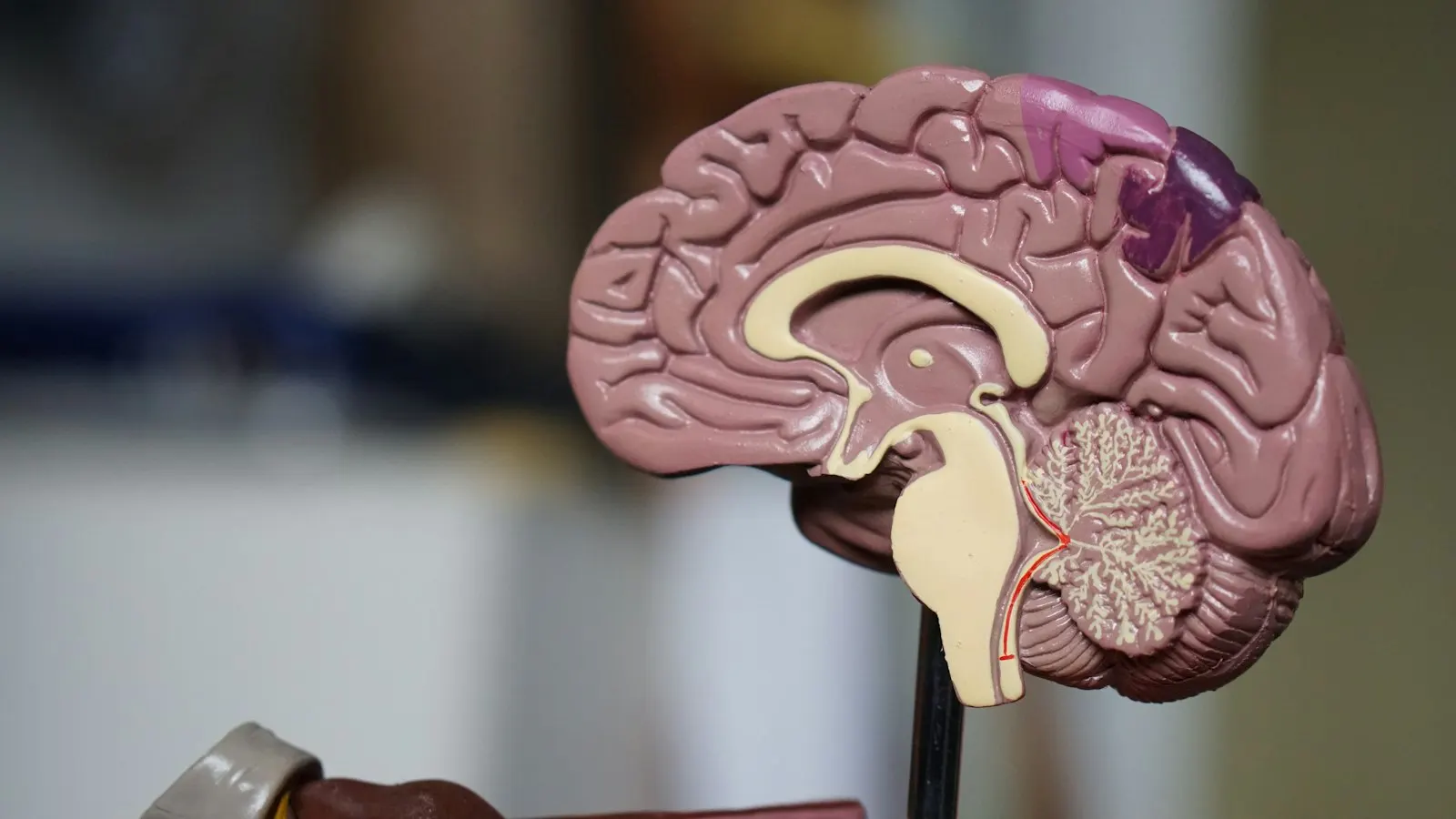
Dementia is not one illness. It is a word for a group of conditions that cause a gradual loss of memory, thinking, communication and the skills needed for daily life. The two most common types are Alzheimer’s disease and vascular dementia.
Alzheimer’s disease
Alzheimer’s disease is the most common type of dementia. It was first described by the German doctor Alois Alzheimer. In Alzheimer’s disease, abnormal proteins build up in the brain, forming “plaques” and “tangles”, and brain cells are gradually lost.
Symptoms usually begin slowly and get worse over time. Memory problems, especially for recent events, are often the first sign. Later, people may struggle with language, find their way less easily and need more help with daily tasks.
Vascular dementia
Vascular dementia is caused by reduced blood flow to the brain, which damages brain cells. It can follow a stroke, or a series of small strokes, sometimes called transient ischaemic attacks (TIAs).
Symptoms can start suddenly, after a stroke, or gradually. Vascular dementia often progresses in steps: a person’s condition may stay the same for a while, then get worse. Problems with planning, concentration and speed of thinking are common, as well as memory loss. Mood changes and depression are also common.
Mixed dementia
Some people have both Alzheimer’s disease and vascular dementia. This is called mixed dementia.
Why the type matters
Knowing the type helps doctors decide on treatment. For vascular dementia, controlling blood pressure, cholesterol and diabetes, and stopping smoking, can help reduce the risk of further strokes. Some medicines are used for Alzheimer’s disease. A GP or memory clinic can explain the options.
Everyone is different
No two people experience dementia in the same way. Care should be built around the person, their history and what matters to them.
Read the guide for carers written by Christian Care Homes, What is dementia?, or find out about dementia care at Cedar House.
Thinking about care at Cedar House?
Come and look round, or call us on 01375 768505 at any time. Cedar House is at 249-251 Southend Road, Stanford-le-Hope.
Come and see Cedar House
Tell us a little about who the care is for and we will call you back to arrange a visit. Or ring the home, day or night.
01375 768505Ask about a visit or a room
Fill in the form and someone from Cedar House will get back to you.